
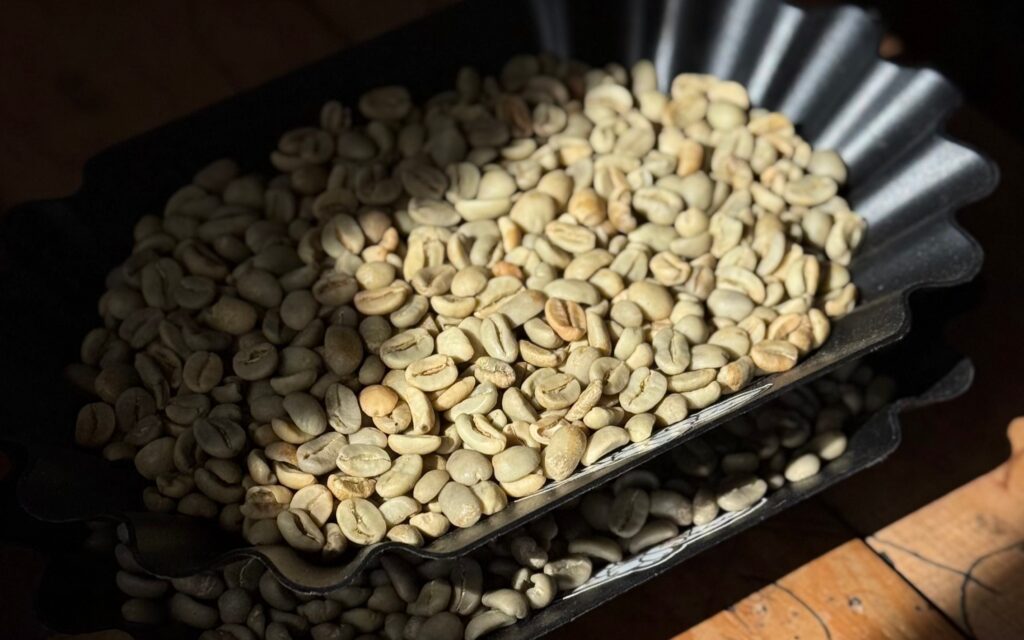
Understanding what makes Gayo coffee unique is essential for global buyers who view origin not merely as a label, but as a foundation of quality, culture, and long-term supply integrity.
In the global specialty coffee market, Gayo stands out as one of Indonesia’s most respected origins, valued not only for its flavor but also for its geography, farming culture, and cooperative-based production system.
This article explores the defining characteristics of Gayo coffee and why it continues to matter in the global market—particularly for buyers seeking consistency, sustainability, and reliable long-term sourcing.
Why Is It Called “Gayo” Coffee?
Gayo coffee takes its name from the Gayo Highlands, a mountainous region located in Central Aceh, Indonesia. The term “Gayo” refers to the indigenous Gayo people who have inhabited this area for centuries. Coffee cultivation in this region is not a recent commercial development; it is deeply embedded in the local way of life.
Coffee farming in the Gayo Highlands expanded significantly during the early 20th century and later evolved into a cooperative-driven system following social and political changes in Aceh. Today, Gayo coffee is recognized globally as a geographical indication (GI) product, which helps protect its origin and reputation in international markets.
When buyers refer to “Gayo coffee,” they are not simply identifying a flavor profile—they are referencing a specific highland ecosystem, a cultural heritage, and a production system shaped by smallholder farmers.
What Makes Gayo Coffee Unique?
1. Characteristics
One of the defining characteristics of Gayo coffee is its consistency across harvests, despite being produced largely by smallholder farmers. Most Gayo coffee is Arabica, grown at elevations ranging from 900 to 1,700 meters above sea level, which contributes to slower cherry maturation and higher bean density.
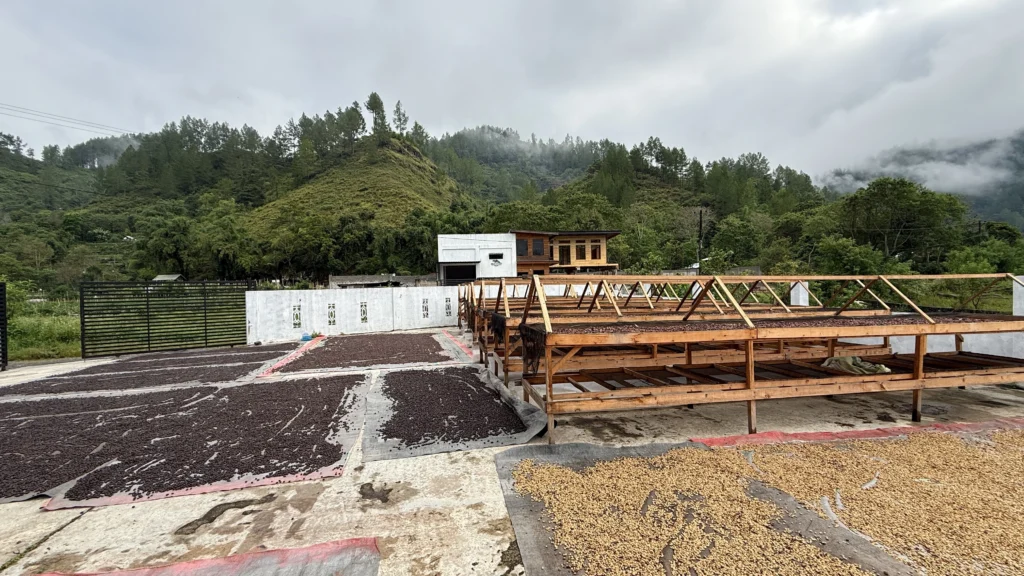
Another key characteristic is the dominance of washed and wet-hulled (Giling Basah) processing methods, although natural and honey processes have gained popularity in recent years. These methods influence not only flavor but also mouthfeel and cup clarity—elements that global buyers closely evaluate.
From a green bean perspective, Gayo coffee is known for relatively uniform sizing, stable moisture levels, and adaptability to various roast profiles, making it suitable for both specialty and premium commercial segments.
2. Geography
Rather than influencing flavor alone, the geography of the Gayo Highlands plays a decisive role in shaping broader Gayo coffee characteristics, particularly in how coffee is produced, consolidated, and prepared for global markets.
The region’s mountainous terrain and dispersed farming areas naturally limit large-scale industrial cultivation. As a result, Gayo coffee is predominantly grown on small plots managed by family-run farms, often located in remote highland villages. Access between farms, washing stations, and collection points depends heavily on local infrastructure and seasonal weather conditions.
These geographical conditions make coordination essential. Harvesting and post-harvest handling tend to be highly hands-on, with careful cherry selection occurring at the farm level. At the same time, the fragmented landscape increases reliance on cooperatives and local aggregators to consolidate volumes, align quality standards, and maintain traceability across production areas.
For global buyers, Gayo’s geography represents both a logistical challenge and a structural advantage. While sourcing requires strong local partnerships, these same conditions contribute to distinctive Gayo coffee characteristics rooted in smallholder production, transparency, and long-term relationship-based supply.
3. Gayo Coffee’s Value
The value of Gayo coffee extends beyond cup quality and is closely tied to the production structure shaped by its geography. Because farming is dispersed and predominantly small-scale, cooperatives play a central role in organizing the supply chain.
These cooperatives support farmers through quality control, post-harvest training, and access to certification programs such as Organic, Fair Trade, and Rainforest Alliance. More importantly, they function as stabilizing partners—helping consolidate supply, reduce variability, and align production with international market requirements.
This cooperative-driven model transforms geographical constraints into long-term value. For importers and buyers, it enables clearer traceability, more consistent quality across harvests, and improved reliability despite fragmented production landscapes. Over time, these systems reduce sourcing risk and support continuity in supply relationships.
Companies that work closely with origin partners, such as Shahin Agri, often prioritize this model to ensure that quality alignment, sustainability commitments, and supply reliability are maintained over the long term.
4. Culture
Coffee in Gayo is not merely an export commodity—it is part of daily life. Farming knowledge is passed down through generations, and community involvement is deeply ingrained in the production process. Harvest seasons are collective efforts, with families and neighbors working together during peak periods.
This cultural foundation fosters a strong sense of ownership over quality. Farmers are not just producing coffee for market demand; they are preserving a regional identity. This mindset influences how cherries are picked, processed, and stored, ultimately affecting the final cup.
For global buyers, understanding this cultural context helps explain why Gayo coffee maintains its reputation despite market fluctuations and changing trends.
5. Flavor Profile
When discussing Gayo coffee flavor, balance is the defining theme. Gayo coffee is widely known for its low acidity, medium to full body, and clean yet complex profile.
Common tasting notes include:
- Earthy and herbal undertones
- Dark chocolate and cacao
- Spices such as clove or cinnamon
- Subtle sweetness, sometimes leaning toward brown sugar or dried fruit
Natural and honey-processed Gayo coffees may exhibit brighter fruit notes, while washed and wet-hulled lots tend to emphasize body and depth. This versatility allows Gayo coffee to appeal to a wide range of roasters and brewing styles.
Why Gayo Coffee Matters in the Global Market?
In a global coffee market increasingly shaped by climate uncertainty, ethical scrutiny, and demand for traceability, Gayo coffee holds strategic relevance. Its highland geography offers some resilience against rising temperatures, while cooperative systems support adaptation and quality consistency.
Moreover, Gayo coffee represents Indonesia’s ability to compete in the specialty segment—not through volume, but through origin integrity and long-term value creation. For buyers seeking dependable origins with strong narratives and stable partnerships, Gayo provides a compelling case.
As sustainability shifts from a marketing claim and more of a requirement, origins like Gayo—where environmental practices and community structures are already embedded—will continue to gain importance.
Final Thoughts
Understanding what makes Gayo coffee unique requires looking beyond the cup and into the structural realities of its origin. The mountainous geography of the Gayo Highlands shapes not only how coffee is grown, but also key Gayo coffee characteristics.
For global importers and buyers, Gayo coffee represents an origin where geography, culture, and supply structure are closely interconnected. These elements create both challenges and long-term value: sourcing requires coordination and strong local partnerships, yet rewards buyers with reliability, transparency, and alignment with sustainable sourcing principles.
In a global coffee market increasingly defined by climate pressure, ethical expectations, and the need for resilient supply chains, Gayo coffee remains a relevant and dependable origin. Its strength lies not in scale, but in integrity—making it an origin best approached with understanding, commitment, and a long-term perspective.