
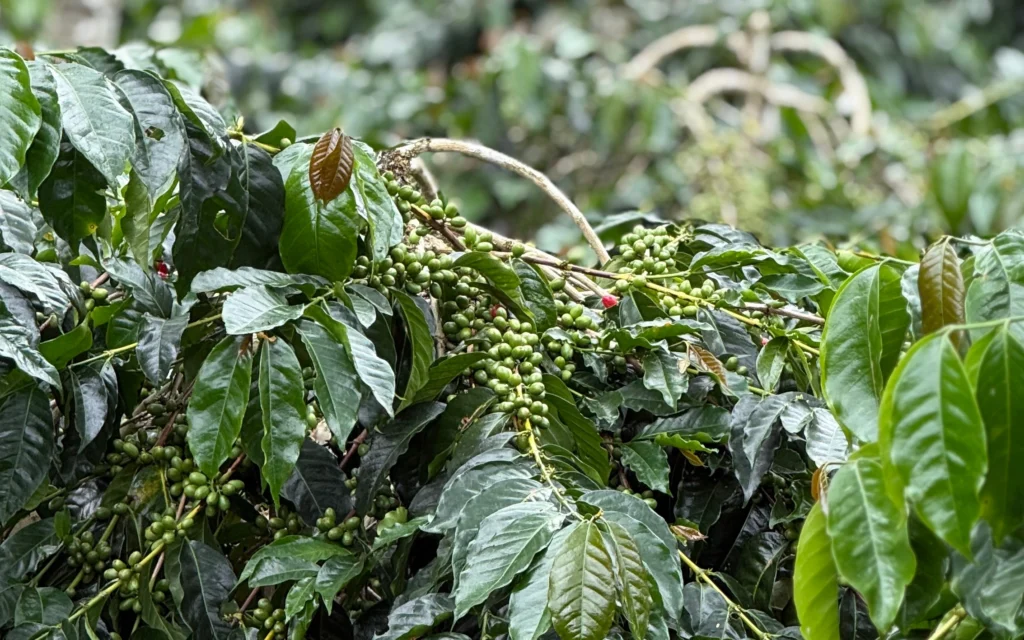
Importing coffee from Indonesia is a strategic decision that extends far beyond origin selection or price negotiation. For global importers, roasters, and institutional buyers, Indonesia represents a complex but rewarding sourcing landscape—shaped by smallholder farming systems, diverse agroecological zones, evolving sustainability expectations, and multilayered export and import regulations.
As one of the world’s leading coffee-producing countries, Indonesia offers both scale and differentiation. However, realizing this potential requires a clear understanding of how green coffee moves from farm to port, how compliance is managed, and how supplier capabilities directly influence long-term supply reliability.
This article provides a practical, buyer-oriented overview of what importers need to know when importing green coffee from Indonesia, with particular relevance for those sourcing from origins such as Gayo, Sumatra, and other specialty-producing regions.
Indonesia as a Key Origin for Green Coffee Imports
Indonesia consistently ranks among the top global coffee producers, supplying both Arabica and Robusta to international markets. According to data from organizations such as the International Coffee Organization (ICO) and the Food and Agriculture Organization (FAO), Indonesia produces several hundred thousand metric tons of coffee annually, with exports reaching markets across Asia, Europe, the Middle East, and North America.
What distinguishes Indonesia as an origin is not only volume, but also geographic and sensory diversity. Coffee is cultivated across multiple islands—Sumatra, Java, Sulawesi, Flores, Bali, and Papua—each offering distinct flavor profiles driven by altitude, climate, soil composition, and processing traditions.
In Sumatra, wet-hulling (giling basah) remains a widely practiced processing technique, contributing to the region’s signature body-forward and earthy cup characteristics.
At the structural level, Indonesia’s coffee sector is predominantly smallholder-based. Most farmers cultivate coffee on plots smaller than two hectares and rely on cooperatives, collectors, or processors to access infrastructure and export markets.
While this model preserves regional identity and traditional practices, it also presents challenges related to quality consistency, traceability, and supply predictability—factors that importers must actively manage.
Choosing the Right Green Coffee Supplier in Indonesia
Choosing a green coffee supplier is one of the most critical decisions when importing green coffee from Indonesia. Unlike vertically integrated origins, Indonesia’s fragmented production system means that supplier capability directly impacts on quality outcomes and operational risk.
A reliable green coffee supplier should demonstrate:
- Clear supply chain visibility, ideally at the farm or cooperative level
- Established quality control protocols covering post-harvest handling, storage, and grading
- Strong documentation and regulatory compliance capabilities aligned with destination market requirements
- Proven logistical coordination, particularly for coffee sourced from remote or highland areas
Suppliers that lack these capabilities may expose buyers to inconsistent quality, shipment delays, or regulatory non-compliance—issues that can disrupt downstream operations and commercial planning.
Within this context, Shahin Agri operates as a sourcing and export partner that bridges Indonesia’s smallholder-based production system with the requirements of international buyers. Through direct engagement with farmer groups and processing partners, we manage quality control, documentation, and logistics at origin, ensuring that smallholder-grown coffee is translated into export-ready green coffee.
Key Documents Required for Importing Green Coffee from Indonesia
Importing green coffee from Indonesia requires a standardized but detail-sensitive documentation process. While specific requirements vary by destination country, most shipments require the following core documents:
- Commercial Invoice: detailing product description, volume, and transaction value
- Packing List: outlining bag count, net and gross weight, and packaging format
- Bill of Lading (B/L): serving as proof of shipment and document of title
- Certificate of Origin (COO): issued by authorized Indonesian institutions
- Phytosanitary Certificate: confirming compliance with plant health regulations
- Fumigation Certificate: required by certain importing countries
Additional documents may include organic certificates, sustainability certifications, or third-party inspection reports, depending on buyer requirements.
For importers, the accuracy and completeness of these documents are critical. Errors or inconsistencies can result in customs delays, additional inspections, or shipment rejection—making supplier competence in export administration a key evaluation factor.
Shipping Green Coffee from Indonesia
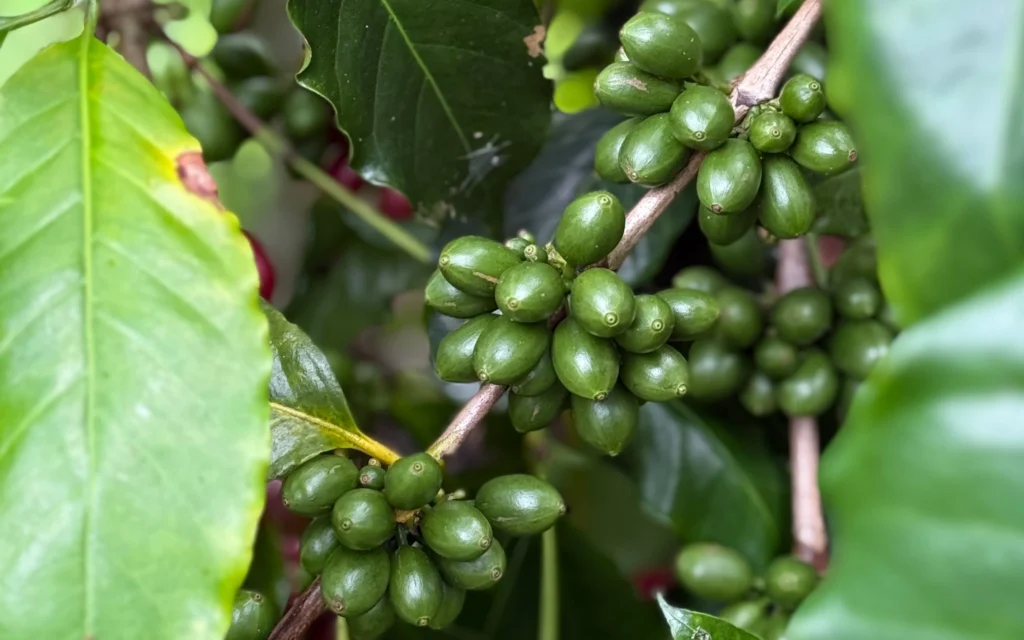
Logistics play a central role in importing coffee from Indonesia, particularly given the country’s archipelagic geography and climate conditions.
Green coffee is typically shipped in 20-foot or 40-foot containers from major ports such as Belawan (Sumatra), Tanjung Priok (Jakarta), or Surabaya. Transit times vary widely depending on destination, shipping routes, and port congestion.
Key shipping considerations include container availability and booking lead times, moisture control (including the use of liners or desiccants), and port handling standards and storage conditions. Indonesia’s humid climate increases the risk of moisture-related damage if shipping conditions are not properly managed.
Experienced exporters mitigate these risks through container inspections, standardized loading procedures, and coordination with freight forwarders who are familiar with coffee logistics.
Customs and Import Regulations in Destination Countries
While Indonesian authorities regulate export compliance, import regulations are governed by destination markets. Buyers importing green coffee must ensure compliance with food safety, labeling, and sustainability regulations applicable in their countries.
For example:
- The European Union places strong emphasis on traceability, pesticide residue limits, and sustainability-related disclosures
- The United States enforces food safety requirements through agencies such as the FDA
As sustainability and due diligence regulations continue to evolve—particularly those related to deforestation and supply chain transparency—importers increasingly depend on suppliers capable of providing verifiable sourcing data and documentation aligned with regulatory expectations.
Pre-Shipment Inspection and Sampling Procedures
Pre-shipment inspection is a critical risk management tool when importing green coffee from Indonesia. This process helps verify that shipped coffee meets contractual specifications before it departs from origin.
Typical inspection elements include:
- Visual inspection of bags and container condition
- Moisture content measurement
- Defect count and screen size verification
- Pre-shipment sampling for cupping
Inspections may be conducted by third-party quality control agencies or in collaboration with the supplier. Transparent sampling procedures and documented results help build trust and reduce post-arrival disputes.
Final Thoughts
Importing green coffee from Indonesia offers access to one of the world’s most diverse and distinctive coffee origins. From high-altitude Arabicas to region-specific processing traditions, Indonesia presents meaningful opportunities for buyers seeking depth, differentiation, and long-term value—while also requiring a clear understanding of how quality, compliance, and logistics are managed across a fragmented supply base.
At Shahin Agri, we recognize that successful sourcing goes beyond origin selection. Indonesia’s smallholder-driven production landscape demands local insight, disciplined quality control, and structured export operations to ensure consistency, traceability, and regulatory alignment.
As Indonesia’s coffee sector continues to evolve, suppliers who can bridge farm-level realities with global market standards will play an increasingly critical role. Shahin Agri is committed to supporting responsible sourcing and long-term partnerships—enabling buyers to engage with Indonesian coffee with confidence, clarity, and strategic focus.