
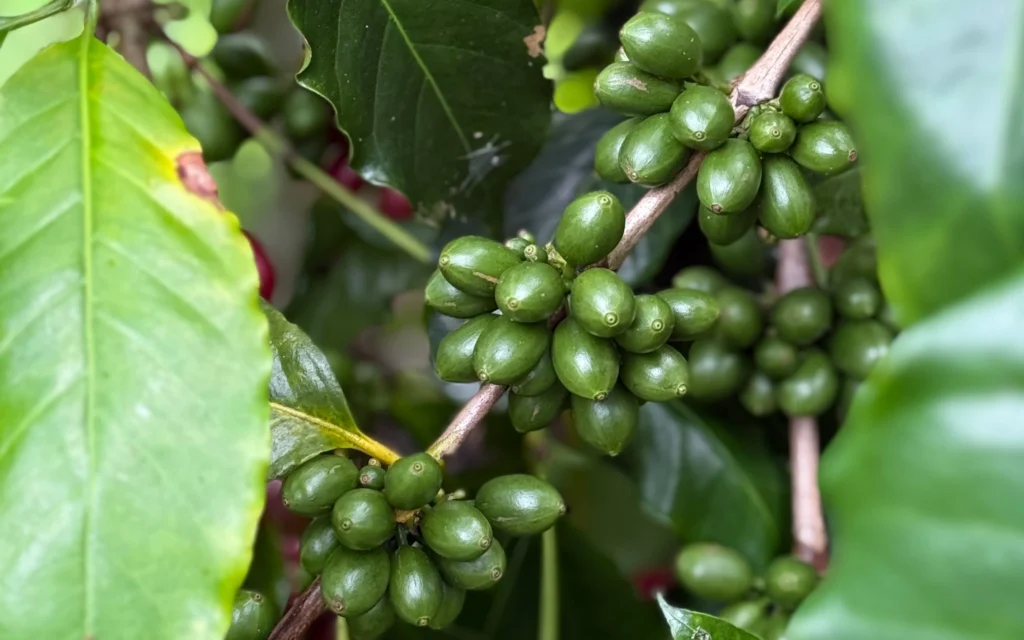
Green coffee bean distributor Indonesia plays a pivotal role in connecting one of the world’s most diverse coffee origins to global buyers seeking quality, consistency, and traceability. Indonesia is a significant coffee producer in the global market, with both Arabica and Robusta contributing to export volumes and supporting approximately 1.77 million people across farming communities, according to World Coffee Research.
For importers, roasters, and institutional buyers evaluating Indonesian supply options, understanding how green coffee bean distribution functions—including quality control, compliance, and sustainability—helps mitigate risk and ensure long-term sourcing success.
From Farm to Buyer: How Green Coffee Bean Distribution Works
Indonesia’s coffee production system is characterized by a highly decentralized structure, where smallholder farmers cultivate the majority of coffee, often on plots of less than two hectares. These growers supply cherries that undergo various post-harvest processes before distributors grade, aggregate, and prepare them for export.
A green coffee bean distributor serves as the operational bridge between origin and international markets. Beyond aggregation, distributors standardize quality, manage logistics such as grading, storage, and export documentation, and coordinate shipments across complex regional supply chains.
Many distributors also provide cupping data, sample management, and purchasing frameworks aligned with buyer risk profiles—positioning them as strategic partners rather than purely logistical intermediaries.
Professional distributors typically collaborate with processing facilities, cooperatives, and exporters to protect quality from farm to port, ensuring buyers receive green coffee that meets agreed specifications for moisture content, screen size, and defect tolerance.
Why Choosing the Right Green Coffee Bean Distributor in Indonesia Matters?
Selecting the right green coffee supplier in Indonesia extends beyond commercial terms. It is a strategic decision that directly influences product quality, supply chain resilience, regulatory compliance, and long-term market positioning.
Indonesia’s coffee sector is predominantly smallholder-based, a structure that naturally introduces variability in quality, volume, and harvest timing. Capable distributors mitigate these challenges by implementing consistent quality control protocols, coordinating logistics across remote regions, and maintaining traceability at multiple points in the supply chain.
At the same time, international buyers face increasingly stringent requirements for traceability, phytosanitary standards, and sustainability compliance. Distributors that integrate documentation systems and transparent sourcing practices help buyers meet regulatory expectations, particularly in markets with evolving environmental and due diligence frameworks.
In this context, distributors function as interpreters of origin complexity—aligning Indonesia’s diverse coffee supply with clearly defined buyer expectations for flavor profiles, quality benchmarks, and documentation standards.
Key Factors in Choosing a Green Coffee Bean Distributor
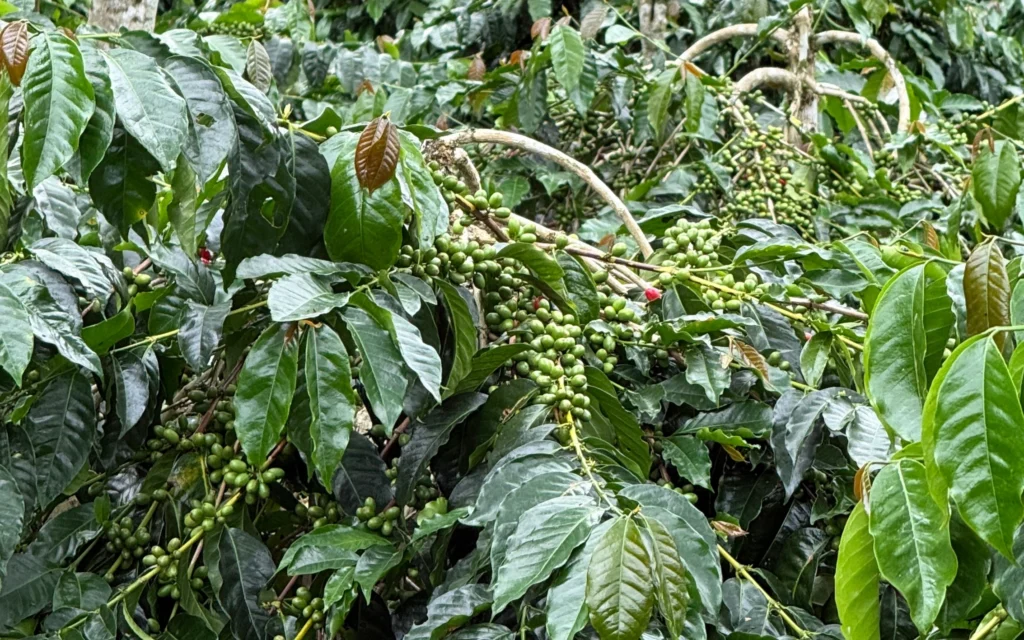
1. Green Coffee Bean Quality
Quality control is the foundation of professional green coffee distribution. Reputable distributors apply structured QC measures, including moisture testing, defect analysis, and standardized cupping protocols, to ensure consistency across shipments.
Given Indonesia’s high humidity and diverse growing conditions, disciplined quality control is essential to preserve flavor potential and mitigate shipping-related risks.
2. Flavor Consistency and Profiles
Indonesia’s varied microclimates and processing traditions—particularly wet-hulling—result in a wide range of flavor expressions. Experienced distributors provide detailed flavor descriptions and consistency data, enabling buyers to align origin selection with specific roasting objectives and product positioning.
3. Certifications and Compliance
Certifications such as Organic, Fair Trade, and Rainforest Alliance, along with compliance with international food safety and export standards, are increasingly relevant to global buyers. Distributors that can support certification requirements and regulatory documentation are better positioned to serve buyers in Europe, North America, and other regulated markets.
4. Sustainable Sourcing Practices
Distributors aligned with recognized sustainability frameworks help strengthen buyer confidence. In Indonesia, initiatives such as the Sustainable Coffee Platform of Indonesia (SCOPI) support capacity building across the supply chain, encouraging environmentally responsible farming and socially inclusive practices.
5. Impact on Environment and Local Communities
Beyond formal certifications, buyers increasingly assess the real-world impact of sourcing decisions. Distributors that invest in farmer training, quality improvement programs, and fair pricing mechanisms contribute to more resilient farming communities and improved coffee quality over time—outcomes that align with ethical sourcing priorities.
6. Supply Capacity and Availability
Reliable supply depends on portfolio planning, inventory management, and multi-origin sourcing strategies that account for seasonality and climate variability. Distributors capable of navigating Indonesia’s logistical and seasonal dynamics help reduce the risk of supply disruptions.
7. Reliability and Market Reputation
A distributor’s reputation reflects its consistency in delivery, communication, and adherence to contractual commitments. Long-standing relationships with farmers and international buyers often signal stability and commercial credibility.
8. Customer Service and Buyer Support
Effective buyer support—including sample coordination, issue resolution, and clear documentation—plays a critical role in B2B transactions. Distributors that anticipate challenges and communicate proactively contribute to smoother import processes.
9. Pricing Structure and Minimum Order Quantities (MOQ)
Transparent pricing models and clearly defined MOQs enable buyers to plan procurement more effectively. While competitive pricing remains important, it should be evaluated alongside quality assurance, service reliability, and supply continuity.
What Sets Green Coffee Bean Distributors from Indonesia Apart?
Indonesia consistently ranks among the world’s leading coffee-producing countries, with green coffee accounting for a substantial share of export volumes. What differentiates Indonesian distributors is their ability to manage fragmented, smallholder-centric supply systems while preserving origin character and meeting international market standards.
These distributors bridge the gap between farm-level realities and buyer expectations, delivering origin-specific coffee that meets global standards for quality, traceability, and sustainability.
Distributors such as Shahin Agri strengthen this value proposition by combining local sourcing expertise with structured export operations and comprehensive buyer support. By emphasizing quality alignment, farmer engagement, sustainability, and transparency, Shahin Agri helps international buyers navigate Indonesia’s complex coffee landscape with greater confidence.
Final Thoughts
Choosing a green coffee bean distributor in Indonesia is a strategic decision that shapes quality outcomes, supply stability, and buyer confidence. Given the country’s reliance on smallholder production and its importance in the global coffee trade, partnering with distributors that demonstrate strong quality systems, traceability mechanisms, sustainability commitments, and market understanding is essential.
By aligning with knowledgeable and transparent distributors, international buyers can engage with Indonesia’s coffee sector more effectively—transforming origin complexity into a long-term sourcing advantage.
As Indonesia’s coffee ecosystem continues to evolve, distributors that understand the interplay between quality, sustainability, documentation, and origin context will remain critical connectors between producers and global markets.