
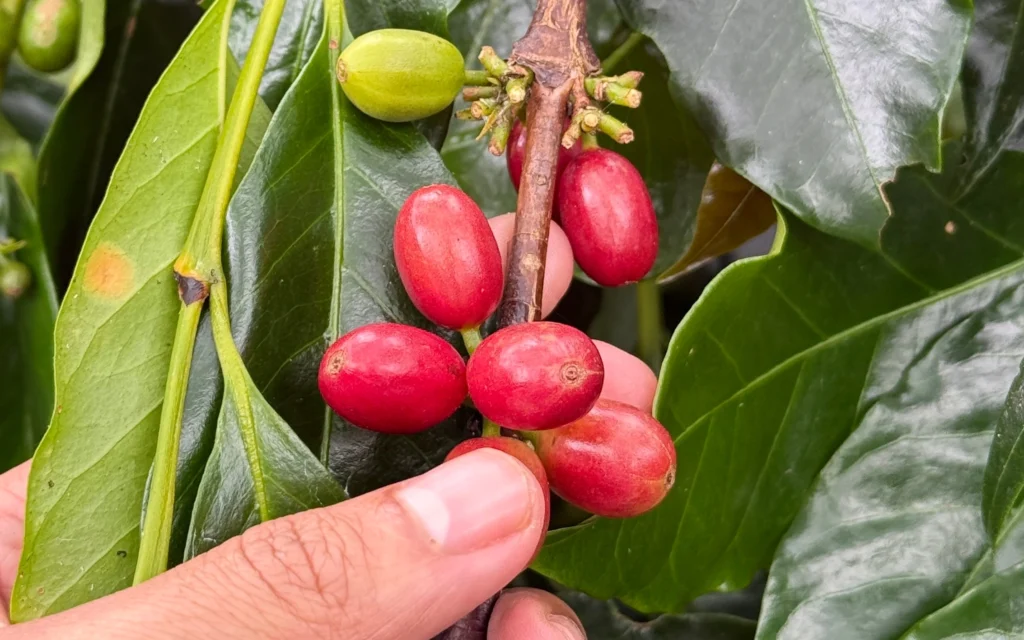
Gayo Arabica coffee is a name that resonates in the global specialty coffee market—not only for its distinctive cup profile, but also for its deep roots in the highlands of Aceh, Indonesia.
Grown in the cool elevations and mineral-rich volcanic soil of the Gayo Highlands, this coffee reflects a complex interplay between terroir, tradition, and sustained smallholder cultivation.
For importers and buyers seeking premium, traceable Arabica from Indonesia, Gayo represents an origin where quality, context, and long-term reliability intersect.
Gayo Coffee History and Origins
The story of Gayo coffee begins in the early 20th century, when Arabica plants were first introduced on a larger scale to the highlands of Central Aceh under colonial influence. Over time, coffee became deeply woven into the region’s agricultural landscape and daily life, evolving from a colonial crop into a locally driven livelihood.
The Gayo Highlands—extending across Aceh Tengah, Bener Meriah, and Gayo Lues—sit along the Bukit Barisan mountain range, with elevations from roughly 900 to 1,700 meters above sea level. This geography provides the climatic foundation necessary for high-quality Arabica cultivation, characterized by cool temperatures, frequent mist, and fertile volcanic soils.
Today, Arabica coffee in Gayo is cultivated primarily by smallholder farmers who combine generational knowledge with increasingly sustainable practices. This continuity has established Gayo as one of Indonesia’s most respected and enduring specialty coffee origins.
What Makes Gayo Arabica Coffee Unique?
1. Protected Geographical Origin
One of the core elements that sets gayo arabica coffee apart is its Protected Geographical Indication (PGI) status. To be marketed as “Kopi Arabika Gayo,” the coffee must originate entirely from the Gayo Highlands—specifically the districts of Aceh Tengah, Bener Meriah, and Gayo Lues.
This designation safeguards authenticity, strengthens traceability, and provides buyers with confidence in origin integrity and quality consistency.
2. Unique Agro-Climatic Conditions
The terroir of the Gayo Highlands contributes significantly to the coffee’s character. High elevations (approximately 900–1,700 meters above sea level), cool temperatures, and mineral-rich volcanic soil slow the maturation of coffee cherries.
This extended maturation period allows beans to develop greater density and complex biochemical structures, forming the foundation of Gayo’s nuanced cup profile.
3. Distinctive Processing Tradition
Gayo Arabica coffee is traditionally processed using the wet-hulling method (giling basah), a technique widely practiced in Sumatra. This semi-washed processing method contributes to the coffee’s full body, deep aroma, and rounded mouthfeel.
The interaction between this processing style and the Gayo Highlands’ terroir produces sensory characteristics that differ notably from fully washed coffees commonly found in Ethiopia or Central America. significantly from washed coffees typical of Ethiopia or Central America.
4. Complex Sensory Profile
Sensory analyses show that Gayo Arabica exhibits a combination of strong flavor intensity, thickness, and complex aroma. Typical flavor and aroma descriptors include:
- Nutty, chocolaty, and caramel-like notes
- Persistent mouthfeel with a balanced body
- Subtle spicy or herbal nuances
5. Smallholder Culture and Sustainable Practices
While not unique to Gayo alone, the fact that Arabica coffee cultivation is primarily managed by smallholder farmers using traditional and sustainable practices enhances its identity.
Many farms rely on shade-grown systems, organic soil management, and cooperative-based quality control, all of which reinforce consistency and social value as part of the origin story.
Flavor Profile of Gayo Arabica Coffee
Gayo Arabica coffee is known for its well-rounded body, gentle acidity, and layered flavor structure. In the cup, it often reveals earthy depth balanced with subtle floral nuances, complemented by notes of chocolate or soft caramel that linger on the palate. Its aroma is rich and composed, reflecting the highland conditions where the coffee is grown.
This balanced profile allows Gayo Arabica coffee to perform consistently across different brewing methods, including pour-over and espresso. The mouthfeel is smooth, with a clean and satisfying finish—an outcome of attentive farming practices and processing methods that preserve the coffee’s inherent character.
Overview of Gayo Arabica Coffee Farming Process
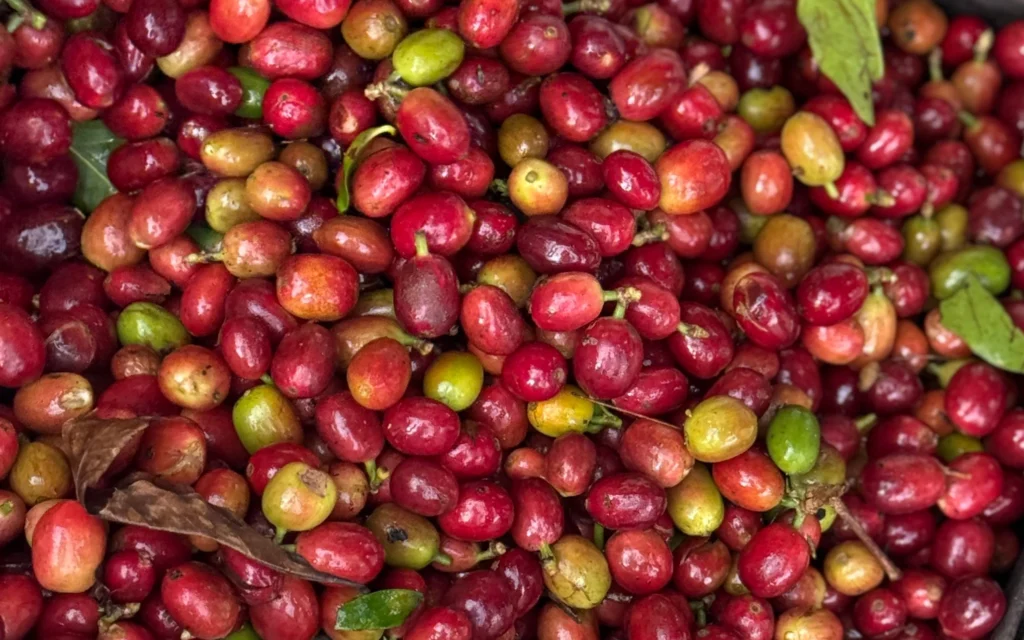
1. Highland Terroir and Smallholder Cultivation
The high elevation and volcanic soil of the Gayo Highlands provide a natural framework for productive coffee farming. These conditions slow cherry maturation and encourage dense bean structure, which are favorable for nuanced flavor development.
Smallholder farmers, often organized in cooperatives, manage most coffee plots. Traditional farming practices include shade-grown cultivation and selective hand harvesting, emphasize quality over volume and align closely with sustainability objectives.
2. Sustainable and Traditional Techniques
Across the Gayo Highlands, cultivation typically avoids heavy chemical inputs, using organic compost and manual weed control to maintain soil health. Shade trees and biodiversity support the ecosystem, while community knowledge ensures that planting, pruning, and harvest timing are attuned to local environmental rhythms.
3. From Cherry to Bean
After handpicking ripe cherries, processing often follows Indonesia’s distinctive wet-hulling tradition (Giling Basah), which contributes to the full body and rich aroma characteristic of many Gayo coffees. Quality control and sorting at the farm and cooperative levels help maintain consistency before beans enter export supply chains.
Why Gayo Arabica Coffee Is Valued in the Global Market?
Gayo Arabica coffee is valued in the global market for its ability to consistently deliver quality while meeting growing expectations around sustainability and origin transparency. Its recognition at international coffee events reflects not only its refined flavor profile, but also the credibility of Gayo as a specialty origin with a strong production identity.
For global buyers, Gayo’s appeal extends beyond the cup. Cooperative-supported smallholder systems enable traceability, ethical sourcing, and quality oversight at origin—key factors for long-term supply reliability in today’s market environment.
The coffee’s balanced profile and adaptability across roast levels make it suitable for a wide range of market segments, from specialty roasters to premium commercial buyers. This versatility helps reduce sourcing risk while maintaining a clear sensory signature tied to the Gayo Highlands.
Companies such as Shahin Agri support this value by working closely with farmers and local partners to align farming practices, quality standards, and market requirements. Through long-term partnerships and responsible sourcing, we help ensure that Gayo Arabica coffee remains a dependable and relevant origin for the global market.
Final Thoughts
Gayo Arabica coffee is more than a regional specialty—it is a living legacy of land, culture, and craft. From its historical roots in the Gayo Highlands of Aceh to its emergence on the global specialty stage, this coffee reflects both terroir and tradition in every cup.
For global coffee buyers, understanding the journey behind Gayo’s beans—from volcanic soil and highland microclimate to hand-harvested cherries and traditional processing—provides more than flavor appreciation. It provides essential insight into supply reliability, sustainability, and traceability.
As specialty coffee demand continues to emphasize origin stories and ethical practices, Gayo Arabica stands out as a resilient, proven, and deeply human pursuit—one that connects buyers to the heart of Aceh and delivers value that extends beyond the cup.